What ethics and compliance leaders are prioritizing right now
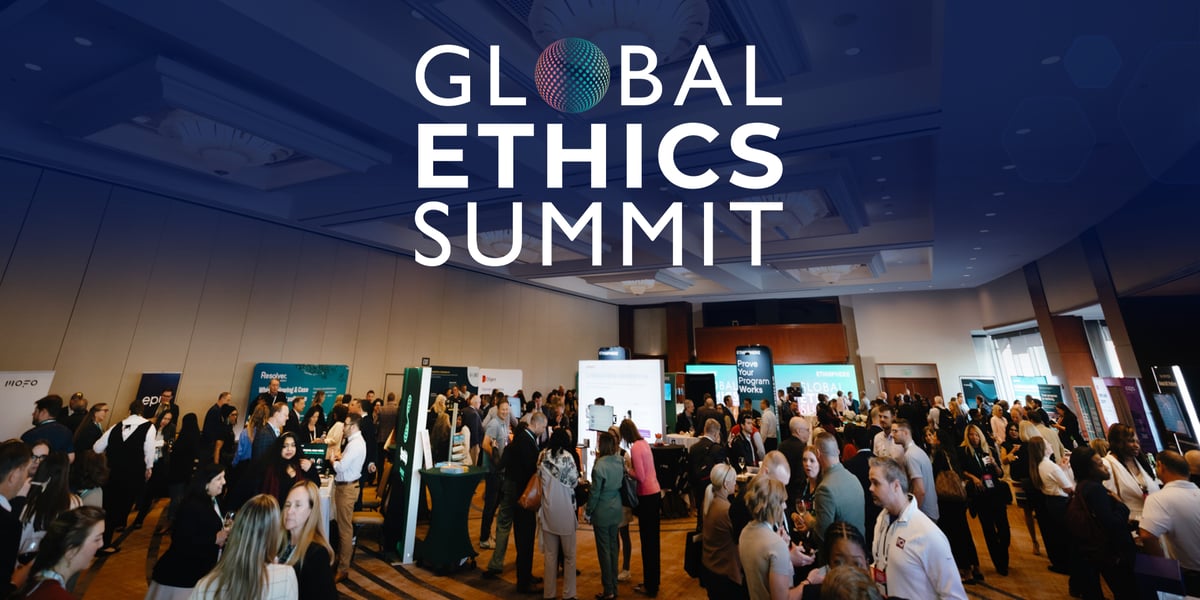
The Global Ethics Summit 2026, once again brought together the global ethics and compliance community to discuss the evolving pressures shaping corporate integrity programs today.
Held March 29–31 in Atlanta with hybrid participation, the summit convened thousands of professionals from a broad variety of organizations to exchange insights on culture, governance, AI risk, and the future of compliance leadership.
Across plenary sessions, peer discussions, and executive roundtables, several clear themes emerged about where ethics and compliance programs are headed next.
1. Ethics and compliance as strategic business functions
One of the most consistent messages from the summit was that ethics and compliance teams are increasingly expected to operate not just as policy enforcers but as strategic advisors to the business.
Main stage discussions emphasized the importance of aligning Ethics & Compliance programs with:
- Enterprise risk management
- Corporate strategy
- Board governance
- ESG commitments
- How should companies govern the ethical use of generative AI?
- What controls should exist around employee use of AI tools?
- How can organizations manage bias, transparency, and accountability?
- Strengthening due diligence processes
- Improving supplier training and engagement
- Monitoring ongoing third-party relationships
- Ensuring transparency across global operations
- Manage emerging technology risks
- Demonstrate program impact with data
- Strengthen culture across global organizations
- Collaborate more closely with leadership and the board
Many speakers stressed that the most effective E&C programs demonstrate measurable impact:showing leadership how culture, ethical decision-making, and compliance efforts contribute directly to organizational resilience and long-term performance.
The message was clear: ethics leaders must increasingly speak the language of business strategy.
2. Artificial Intelligence is the new frontier for compliance risk
AI governance was one of the most talked-about topics throughout the summit.
Sessions explored how organizations are grappling with questions such as:
Experts emphasized that the pace of AI adoption means compliance leaders must move quickly to establish clear frameworks, guardrails, and training for employees.
Rather than blocking innovation, organizations are focusing on responsible AI policies and guardrails that empower teams while managing risk.
3. Culture measurement is becoming more data-driven
Another major theme was the growing use of data and analytics to measure culture and program effectiveness.
Ethics leaders shared how they are using employee survey insights, reporting hotline data, training engagement metrics, and behavioral indicators to gain deeper visibility into whether their ethics programs are influencing decision-making.
Many attendees highlighted the shift from activity-based metrics (e.g., number of trainings completed) to behavior-based indicators that better reflect ethical culture across the organization.
4. Third-party risk remains a critical challenge
With global supply chains becoming more complex, sessions focused heavily on third-party and supplier risk management.
Speakers emphasized that compliance risk increasingly exists outside the organization’s four walls.
Key discussion areas included:
For many organizations, the challenge is balancing risk mitigation with the operational realities of global partnerships. Increasingly, leading programs are addressing this by centralizing supplier oversight, bringing together training, engagement tracking, and monitoring into a single view. Solutions like LRN’s Catalyst Supplier are designed to support this shift, helping organizations move from point-in-time due diligence to continuous, more scalable third-party risk management.
5. Peer collaboration is more valuable than ever
A unique aspect of the summit experience is the opportunity for ethics leaders to exchange candid insights with peers facing similar challenges.
Pre-event executive roundtables allowed leaders to compare approaches and pressure-test ideas in smaller groups before the full conference began.
These peer discussions remain one of the most valuable aspects of the summit—providing practical perspectives that can’t always be found in formal presentations.
The big picture: Ethics programs are entering a new era
Across all sessions, one underlying theme stood out: ethics and compliance programs are evolving quickly to meet new expectations from regulators, boards, and employees alike.
Leaders are being asked to:
- Manage emerging technology risks
- Demonstrate program impact with data
- Strengthen culture across global organizations
- Collaborate more closely with leadership and the board
As organizations continue navigating new regulatory environments, emerging technologies, and cultural expectations, the conversations from this year’s summit reinforce a key truth:
Strong ethics and compliance programs are no longer just about preventing misconduct—they are about enabling organizations to operate with integrity and confidence in a rapidly changing world.
Want to speak with an ethics and compliance expert about how to apply these practices within your program? Connect with our team to continue the conversation.